Cavalleria Rusticana and Pagliacci in a Grand Production (19:30)
Tickets via: BRAVO
sababa.events is an information platform. We do not sell tickets or organize events.
We collect event information from public sources. Organizers and venues may change the schedule, venue, price, or cancel an event after it has been published. Please verify the current venue, schedule, terms, and prices on the event's official page via the link below. sababa.events does not guarantee the currency of information received from third parties and published on the platform.
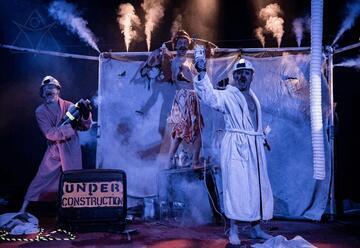
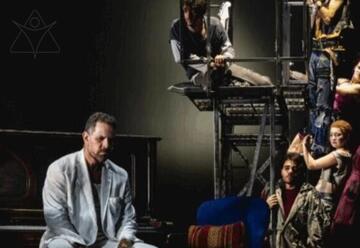
The performance is presented in Italian with Russian and Hebrew subtitles. The Vienna–Tel Aviv Vocal Connection and the Jerusalem Symphony Orchestra proudly present: Cavalleria Rusticana ― Pagliacci, a grand production with 150 participants: singers of the Vienna–Tel Aviv Vocal Connection alongside stars from the world's leading opera houses, the Jerusalem Symphony Orchestra, and four choirs. Conductor: David Aronson of the Vienna State Opera. Directed by: Rosemary Danziger. Chorus master: Asaf Benraf. The Vienna–Tel Aviv Vocal Connection is one of Israel's important opera institutions. It is the only one that brings full, internationally high-level opera productions around the country, for opera-loving audiences wherever they are. Indeed, the applause of the audiences filling the halls testifies to the sweeping success of this important cultural enterprise. The pure enjoyment and warmth with which the operas "The Marriage of Figaro" and "Die Fledermaus" were received give the makers of this art the strength and energy to keep treating this wonderful audience to more quality opera performances. In this production, two short operas will be presented: Cavalleria Rusticana by Pietro Mascagni and I Pagliacci (Pagliacci) by Ruggero Leoncavallo. Both operas are among the most beloved gems of Italian opera for opera-loving audiences. It is customary for this pair of operas to be performed in one evening, each lasting about an hour and each divided into two parts by an instrumental intermezzo; both belong to the genre known as verismo, characterized by sharp realism and presenting human emotion at its deepest through total musical and dramatic means. Casting verismo operas requires singers with big, powerful dramatic voices capable of conveying emotions erupting from the depths of the soul. For the Vienna–Tel Aviv Vocal Connection production, international singers who have performed these demanding roles at major opera houses around the world were chosen for the lead parts. Maestro David Aronson of the Vienna State Opera and international director Rosemary Danziger will lead the soloists, the Jerusalem Symphony Orchestra, and four choirs (including a children's choir) into the eye of the storm of these masterpieces. Verismo as a literary and operatic genre—its brutal realism speaks to the viewer's raw sorrow, laying bare the storm of human emotion before them without embellishment. The viewer is swept along with the tragic hero, understanding him but also horrified by that very understanding. Love and passion sweep the protagonists along, leading them down uncontrollable paths. The events in both operas take place within a realistic world, within society, within its fixed customs; such as the religious ceremony, the Easter procession in Cavalleria Rusticana, and a church wedding ceremony (in this version). The world carries on as usual, and within it interpersonal dramas unfold that spill over into the public space. In both operas, the public/communal space is expressed through the extensive use of divided choirs representing different groups in society, whether women and men returning from work in the fields, community members watching the Easter procession, or worshippers in church. In this production, the four accompanying choirs are entrusted to the capable hands of Maestro Asaf Benraf, who has conducted opera choirs around the world and at the Israeli Opera. The rich orchestration underscores the sharpness of the plot while wrapping it in an aesthetic envelope. This contrast contributes to the encounter between the storm of emotions and the reality surrounding it. Already in the ancient world philosophers discussed the catharsis that occurs in both the viewer and the performer when watching a tragedy or performing a tragic role. Aristotle, in the Poetics, speaks of the fear and pity that arise in the viewer and the tragic performer. This involves a kind of processing of the evil inherent in humankind and its transformation into compassion, through drawing conclusions that...